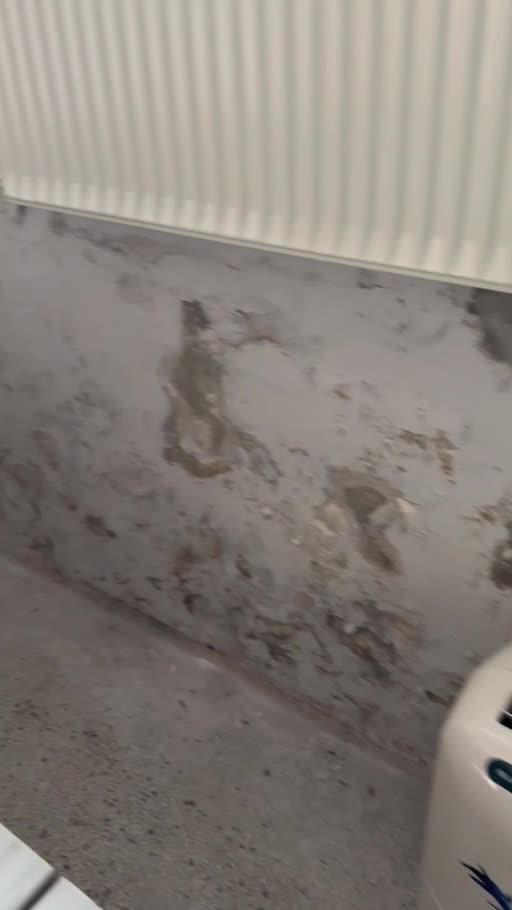
Roskilde, Denmark – from dehumidifier to heat-recovery ventilation
An indoor-climate case illustrating the difference between removing moisture from air with a dehumidifier and establishing controlled air exchange.
Denmark · RoskildeGlossary term
Moisture in air expressed relative to the maximum the air can hold at the same temperature.
BASEMENT ATLAS
Source types stay separate: technical and authority-adjacent sources support rules and risk topics, while project sources document practical experience.
Monitoring basement humidity. Start by documenting dew point and surface temperature, actual air-change path and intended use of the room. The purpose is to understand the building condition and constraints before choosing products, finishes or a work sequence.
Warm weather does not necessarily dry a cool basement. Air entering through a window can reach its dew point when it meets the cold walls, floor or pipes.
Humidity-controlled basement ventilation. Check actual air-change path, dew point and surface temperature and intended use of the room before deciding what to repair. These observations help separate a surface symptom from water, air, drainage or construction conditions.
An indoor-climate case illustrating the difference between removing moisture from air with a dehumidifier and establishing controlled air exchange.
Denmark · Roskilde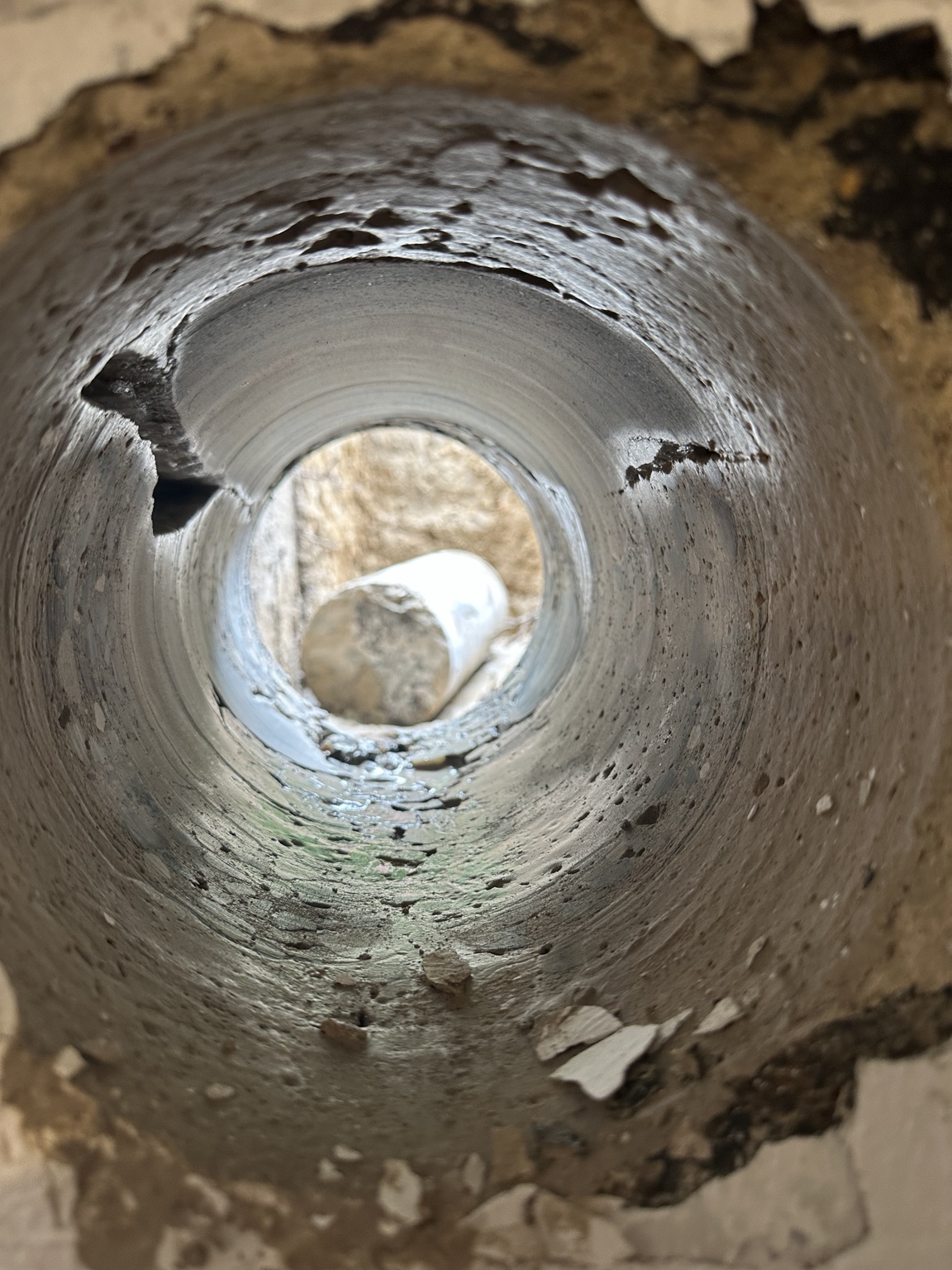
A specialist basement ventilation case where below-ground level and the lightwell dictated a non-standard installation detail.
Denmark · Holbæk
A documented heat-recovery ventilation installation showing wall drilling, placement and the completed unit in a basement.
Denmark · BagsværdBASEMENT ATLAS
Related guides, problems, checklists, cases and technical terms from the same knowledge area.