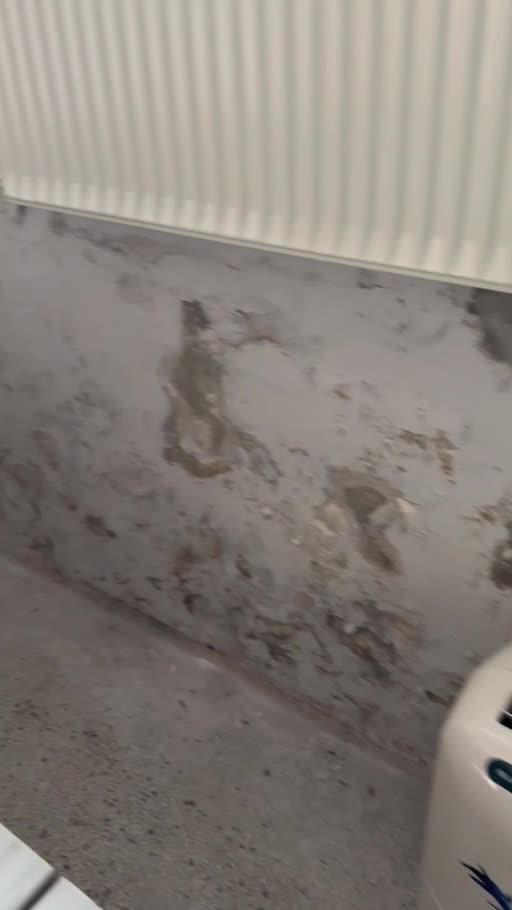
Roskilde, Denmark – from dehumidifier to heat-recovery ventilation
An indoor-climate case illustrating the difference between removing moisture from air with a dehumidifier and establishing controlled air exchange.
Denmark · RoskildeBasement ventilation & condensation · BASEMENTATLAS
CO₂ levels in basements. Start by checking actual air-change path, intended use of the room and future inspection and maintenance. These details help separate the visible symptom from the construction condition before a repair method is selected.

Short answer
CO₂ levels in basements. Insufficient or poorly controlled air exchange can raise humidity and pollutant levels, while excessive summer ventilation can sometimes add moisture to a cool basement. A storage room, laundry, bathroom, bedroom or heated living area has very different moisture loads, comfort targets and legal/technical requirements.
Assessment
Ventilation manages airborne moisture and pollutants; it does not stop liquid water through a wall or floor. In summer, more outdoor air can even increase condensation when the outdoor dew point is above the temperature of cold basement surfaces.
Document these points before comparing solutions.
BASEMENTATLAS · Problem finder
Insufficient or poorly controlled air exchange can raise humidity and pollutant levels, while excessive summer ventilation can sometimes add moisture to a cool basement.
A storage room, laundry, bathroom, bedroom or heated living area has very different moisture loads, comfort targets and legal/technical requirements.
Drainage, pumps, ventilation units, grilles, filters and seals lose performance if inspection and maintenance are neglected.
Condensation occurs when a surface is cold enough relative to the air temperature and humidity. This can mimic water ingress on walls, pipes and windows.
Photograph the whole area and close-ups; note approximate building age, wall/floor construction, outside ground level and when the symptom changes. If water is involved, record whether it follows heavy rain, snowmelt, showering or is present continuously.
The decision changes with moisture source, structural condition, available height, drainage level, intended room use and whether the work affects load-bearing construction. Treat a product choice as the final step, not the first.
Avoid sealing over an unexplained wet surface, building organic stud walls against a damp masonry wall, or starting finish work before drainage, structure and services are coordinated.
Structural, electrical, plumbing, geotechnical and health-critical work can require qualified professionals and local approvals.
Rapidly growing cracks, active water, structural movement, sewage backflow or extensive mould deserve a more cautious assessment before finishes continue.
Cost changes with access, excavation depth, structural work, drainage levels, services, disposal and the finish standard. Compare scope before comparing price.
Document the condition first, identify the likely source, compare relevant methods and only then decide the work sequence.
After the work, record visible condition, odour, humidity and any new water after roughly 3, 6 and 12 months. Long-term follow-up is more useful than a result measured the next day.
An indoor-climate case illustrating the difference between removing moisture from air with a dehumidifier and establishing controlled air exchange.
Denmark · Roskilde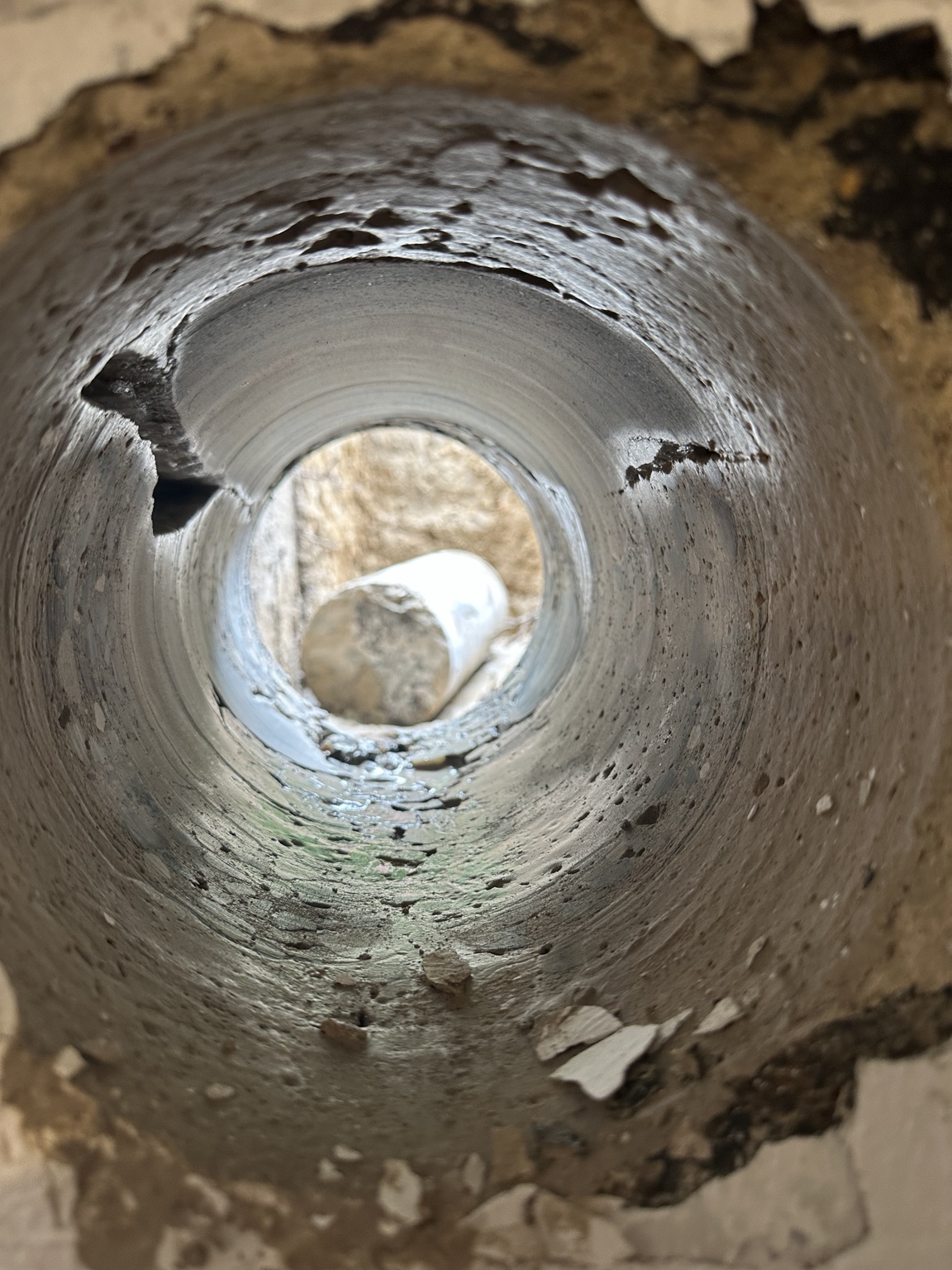
A specialist basement ventilation case where below-ground level and the lightwell dictated a non-standard installation detail.
Denmark · HolbækA documented heat-recovery ventilation installation showing wall drilling, placement and the completed unit in a basement.
Denmark · BagsværdBASEMENT ATLAS
This page combines structured basement knowledge with sources relevant to the topic. Practical project experience does not replace regulations, structural design or licensed professional advice.
BASEMENTATLAS · Evidence & moderation
Sometimes, but not always. External water pressure, drainage defects or structural movement may require work outside or in the construction itself.
Country, approximate building year, city/postcode area, photos inside and outside, timing, what has been tried and the result you want.
When foundations, load-bearing construction, excavation depth, electricity, plumbing, sewer backflow, geotechnics, hazardous materials or health-critical mould are involved.
BASEMENT ATLAS
Related guides, problems, checklists, cases and technical terms from the same knowledge area.
See questions, cases and related guides for this topic.
See the full topic