Wall material affects moisture storage, salts, crack behaviour, surface preparation and how an internal finish can dry.
Updated 2026-08-30
This is a construction profile, not a claim that every building of this type has the same problem.
Short answer
For this construction type, first check visible salts/efflorescence and condition of the substrate. The actual conditions determine which solutions and risks are relevant.
Source types stay separate: technical and authority-adjacent sources support rules and risk topics, while project sources document practical experience.
1 technical/authority sourcesUpdated 2026-08-30
What should be checked
1visible salts/efflorescence
2condition of the substrate
3changes after rain
4realistic drying time
How the investigation changes
Photograph the whole area and close-ups; note approximate building age, wall/floor construction, outside ground level and when the symptom changes. If water is involved, record whether it follows heavy rain, snowmelt, showering or is present continuously.
The decision changes with moisture source, structural condition, available height, drainage level, intended room use and whether the work affects load-bearing construction. Treat a product choice as the final step, not the first.
Typical points of attention
Rapidly growing cracks, active water, structural movement, sewage backflow or extensive mould deserve a more cautious assessment before finishes continue.
Structural, electrical, plumbing, geotechnical and health-critical work can require qualified professionals and local approvals.
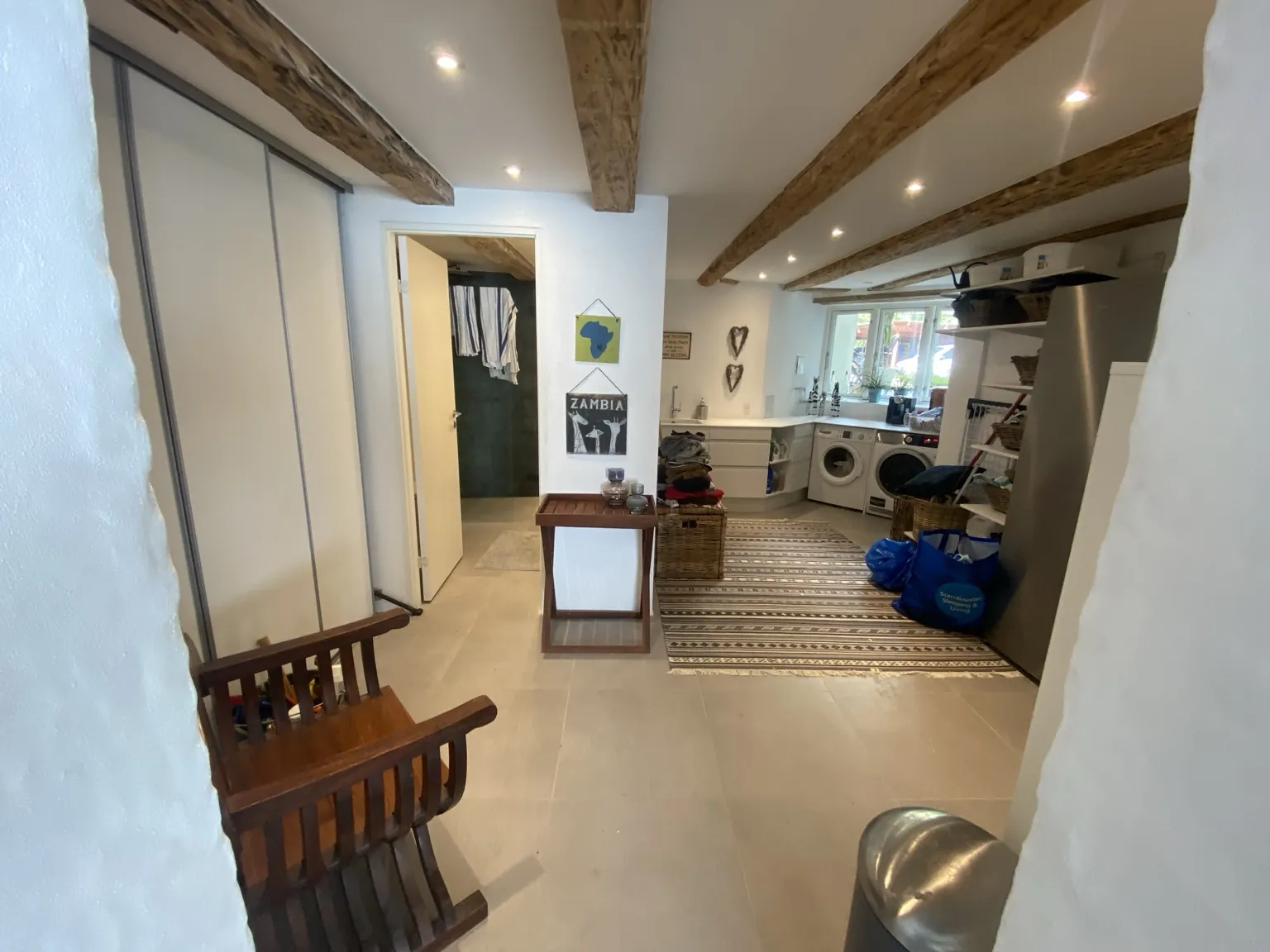
A comprehensive renovation of a former basement shop, with the structure and layout reconsidered throughout. The project documents physical renovation and does not in itself e
Denmark · København
Editorial caseBasement excavation & lowering the floorModerator reviewed